
Deaf Interpreter Conference 5
June 22 - 26, 2026
Workshops
Navigating Deaf Interpreter Roles in K–12: Boundaries, Ethics, and Decision-Making Pt. 1 & 2

Ethics
.30 CEUs
(PS)
Deaf Interpreters working in K–12 settings often navigate a wide range of responsibilities depending on the students’ language needs, educational supports, and classroom structure. In some contexts, Deaf Interpreters take a more conservative approach during instruction, focusing strictly on interpretation, while other professionals (such as paraprofessionals, Teachers of the Deaf, or educational technicians) provide additional learning supports. In other situations, Deaf Interpreters may take on expanded language facilitation roles, including closer mediation of classroom communication or assisting with student responses, such as scribing signed answers onto written materials.
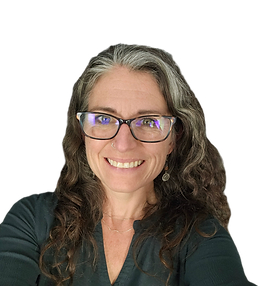
Regan Thibodeau
Dr. Regan Thibodeau is a Deaf linguist, Certified Deaf Interpreter (CDI), educator, and nationally recognized leader in Deaf–hearing team development. She has interpreted professionally since 1999. Regan has extensive experience in high-stakes and broadcast settings, including livestreamed events and emergency briefings. Her work centers Deaf leadership, visual standards, and collective accountability in interpreting practice. She presents nationally on team coordination, interpreter education, and strengthening Deaf Interpreter visibility in evolving digital spaces.